
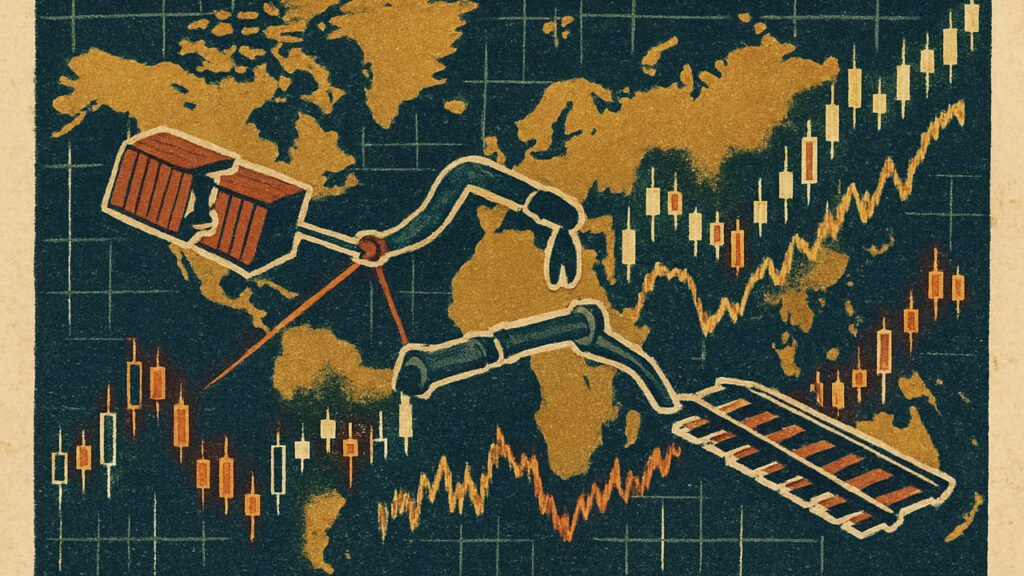
Supply chain disruptions have become an increasingly important factor in global markets, affecting everything from currency values to commodity prices. Whether caused by geopolitical tensions, natural disasters, pandemics, or trade wars, supply chain interruptions can lead to price volatility, inflationary pressures, and currency fluctuations that traders and investors must account for.
In this article, we’ll explore how supply chain disruptions influence both the forex market and commodity markets and how you can navigate these challenges as a trader or investor.
- What Are Supply Chain Disruptions?
A supply chain disruption occurs when there are interruptions in the flow of goods and services from producers to consumers. This can happen at various stages of production or transportation, from raw material sourcing to product delivery.
Common causes of supply chain disruptions include:
- Geopolitical events: Trade wars, sanctions, or diplomatic tensions.
- Natural disasters: Earthquakes, floods, hurricanes, or wildfires.
- Pandemics and health crises: COVID-19 led to global supply chain slowdowns.
- Labor shortages or strikes: Disruptions in key industries like trucking, manufacturing, or ports.
These disruptions can lead to delays, shortages, and rising costs, all of which directly affect the prices of goods, services, and financial assets like currencies and commodities.
- How Supply Chain Disruptions Affect Currency Markets
2.1. Inflationary Pressure and Currency Depreciation
When supply chains are disrupted, the cost of goods often rises. This increase in inflation can cause central banks to adjust interest rates — typically by raising them to combat inflation. However, in the short term, inflationary pressure can lead to currency depreciation due to several factors:
- Higher costs of goods can weaken a currency as the consumer price index (CPI) rises, eroding purchasing power.
- Decreased export competitiveness when supply chain bottlenecks make it harder for a country to deliver goods abroad.
Example:
In the wake of the COVID-19 pandemic, supply chain disruptions led to price increases on everything from raw materials to consumer goods. This inflationary pressure caused the U.S. Dollar (USD) to depreciate against some major currencies, even as the Federal Reserve raised interest rates to combat inflation.
2.2. Impact on Trade Balance
Supply chain disruptions can also affect a country’s trade balance — the difference between its exports and imports. When countries face difficulty in exporting goods due to production delays or shipping bottlenecks, their trade deficit may widen, weakening the national currency.
For example:
- Energy disruptions in Europe (due to factors like gas shortages or disruptions in oil supply) can widen the continent’s trade deficit, pushing down the Euro (EUR) against other currencies.
- In emerging markets, especially in regions like Asia or Latin America, delays in importing crucial materials can lead to higher import costs and a weakened currency.
- How Supply Chain Disruptions Affect Commodity Markets
Commodity markets are perhaps the most directly affected by supply chain issues, as disruptions influence the availability, cost, and demand for physical goods. Supply chain issues can cause price swings in energy, metals, and agricultural products.
3.1. Commodity Price Increases
When the supply of commodities is disrupted — whether due to logistics problems, production halts, or geopolitical instability — prices often increase. This is especially true for essential commodities like oil, natural gas, and precious metals.
Example:
The global oil market faced significant price increases during the 2020 COVID-19 pandemic when supply chain disruptions affected the delivery and extraction of crude oil. Despite decreased demand in some areas, global supply chain constraints led to supply shortages, resulting in higher prices.
- Oil Prices: When supply chains are interrupted, such as during conflicts in oil-rich regions or natural disasters impacting refineries, oil prices tend to spike. This can cause inflationary pressures, as higher energy costs affect the cost of goods and services globally.
3.2. Agricultural Commodities and Food Prices
Agricultural commodities are highly sensitive to supply chain disruptions because they rely heavily on logistics, from crop planting to harvest, processing, and distribution.
- Labor shortages, transportation delays, and shipping blockages can result in higher costs for raw materials like wheat, corn, and soybeans.
- If crops are delayed or unable to be shipped on time, prices often rise, and in some cases, food shortages occur, creating inflationary pressures.
Example:
In 2021, soybean prices surged when Brazil (a major exporter) faced shipping delays and labor strikes. These disruptions led to supply shortages and pushed global food prices higher.
3.3. Precious Metals as Safe-Haven Assets
During times of supply chain disruption and geopolitical instability, many investors flock to precious metals like gold and silver as safe-haven assets. Gold, in particular, acts as a hedge against uncertainty and inflation.
- Gold prices tend to rise during periods of market turmoil, as investors seek assets with intrinsic value when the availability of other goods is constrained by supply chain issues.
- Silver and platinum also benefit from this trend but can be more volatile due to their industrial use in electronics and automotive manufacturing.
- How to Trade and Invest During Supply Chain Disruptions
4.1. Forex Traders: Watch Inflation and Central Bank Policies
Forex traders should stay informed about:
- Inflation reports (e.g., CPI)
- Interest rate decisions by central banks like the U.S. Federal Reserve, European Central Bank, and Bank of England.
- Trade balances and how disruptions are affecting exports/imports.
Understanding these factors will allow you to position trades in currencies that are benefiting from rising inflation or those that are under pressure due to weak trade balances.
4.2. Commodity Traders: Focus on Supply Chain Factors
Commodity traders should consider:
- Global supply chain issues (e.g., shipping bottlenecks, labor strikes)
- Geopolitical risks impacting production, such as oil supply disruptions or agricultural shortfalls due to adverse weather or conflicts.
- Weather forecasts and seasonal factors affecting crop yields.
Traders can benefit from buying commodities that are in short supply and seeing price increases due to these disruptions.
4.3. Diversify to Mitigate Risk
Diversifying your portfolio by including both currencies and commodities can help reduce the impact of sudden market shifts. Diversification can protect you from major losses, especially when certain sectors are negatively impacted by supply chain disruptions.
- Combine Safe-Havens with Riskier Assets: Consider pairing commodities like gold with currencies in emerging markets (e.g., BRL, TRY) to balance your exposure to risk.
- Use Hedging: Use futures contracts or options to hedge against unexpected disruptions in key commodities or currencies.
- The Bottom Line
Supply chain disruptions will continue to shape global markets, impacting both currencies and commodities in unpredictable ways. By staying informed about the factors causing these disruptions, including geopolitical tensions, natural disasters, and economic shifts, you can position yourself to take advantage of the opportunities they create.
Key Takeaways:
- Inflation and interest rate decisions play a huge role in how currencies react to supply chain disruptions.
- Commodities like oil, gold, and agriculture are highly sensitive to production and transportation delays.
- Diversification, hedging, and understanding the drivers of volatility will allow you to navigate these disruptions and protect your portfolio.
Want to stay ahead of market shifts caused by global disruptions? Join the Für-Trade newsletter for weekly insights, strategies, and market updates on how supply chain issues affect forex and commodity markets.