
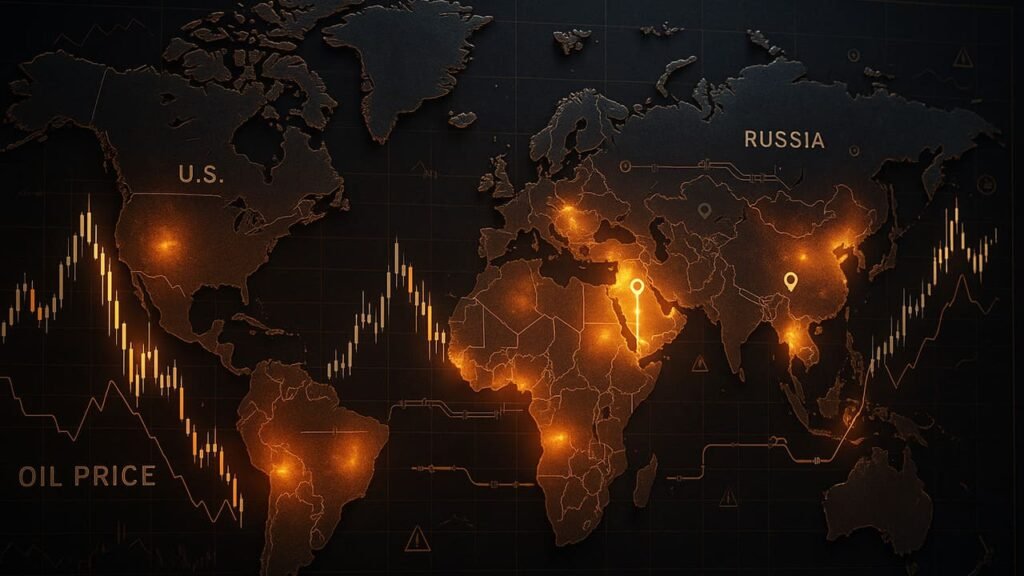
Crude oil plays an essential role in the global economy, influencing everything from transportation to energy prices. As we look ahead to 2026, the crude oil market will continue to face a range of dynamic factors that will shape its price movements. While the past few years have seen volatility, the outlook for 2026 presents an intriguing mix of supply, demand, and geopolitical influences.
Current Trends in Crude Oil Price Movement
As we move into 2026, crude oil prices are likely to be shaped by several persistent trends:
- Supply and Demand Imbalances
Global demand, especially from emerging markets in Asia, continues to drive the need for oil. On the supply side, geopolitical tensions, OPEC+ policies, and economic shifts will play critical roles in stabilizing or disrupting the market. - Geopolitical Tensions
Conflicts in oil-producing regions, such as the Middle East, and international sanctions will continue to introduce supply risks, which can lead to price spikes. - Energy Transition and Renewables
The ongoing transition to renewable energy and the widespread adoption of electric vehicles (EVs) are key long-term drivers that could reduce oil demand over time. However, the pace of this transition will have a significant impact on crude oil prices by 2026. - Technological Developments
Advances in extraction, refining, and storage technologies may help lower production costs, potentially reducing upward pressure on oil prices.
Key Factors Influencing Crude Oil Prices in 2026
- Geopolitical Stability
Global geopolitical events, especially tensions in key oil-producing countries, will continue to be a major determinant of crude oil price fluctuations. Any instability in the Middle East or other significant oil-producing regions could disrupt supply and trigger price increases. - OPEC+ Policies
OPEC+’s decisions regarding production quotas will remain a central factor. If they maintain strict control over production limits or face challenges from non-OPEC countries ramping up production, this could affect supply-demand dynamics. - Economic Growth
Global economic performance, particularly in emerging markets, will heavily influence oil demand. A strong economy in 2026 could push prices up as demand surges, while a global recession could have the opposite effect, curbing oil consumption. - Renewable Energy and Technological Shifts
As renewable energy technologies continue to advance and EV adoption grows, oil demand may decelerate. The extent to which these changes take hold by 2026 will determine their impact on the oil market. - Inflation and Currency Movements
Inflation rates and the strength of the U.S. dollar will play a key role in shaping crude oil prices. A weaker dollar could push oil prices higher, while inflationary pressures might reduce demand for oil, influencing its price direction.
Potential Crude Oil Price Scenarios in 2026
- Bullish Scenario ($100–$120 per barrel)
A robust global economic recovery and strong demand from emerging markets could push oil prices higher. Geopolitical tensions and OPEC+ production cuts could further limit supply, creating a bullish environment. - Bearish Scenario ($50–$70 per barrel)
The rapid transition to renewable energy sources, coupled with a potential global economic slowdown, could lead to lower oil demand. Increased supply from non-OPEC countries could also contribute to oversupply, resulting in lower prices. - Stable Scenario ($80–$100 per barrel)
A balanced scenario where moderate global demand, effective OPEC+ production management, and gradual progress in energy transition technologies result in stable prices.
What Does This Mean for Stakeholders in 2026?
For Investors
- High prices could benefit energy stocks and oil ETFs, while lower prices might create opportunities in renewable energy sectors or for those investing in commodities at a discount.
For Businesses
- High oil prices could increase transportation and manufacturing costs, squeezing profit margins in industries reliant on oil. Conversely, lower oil prices would reduce operational costs, benefitting businesses in the energy-intensive sectors.
For Consumers
- High crude oil prices generally lead to increased fuel costs, impacting everything from household expenses to inflation. Conversely, lower prices can help reduce fuel costs and support broader economic stability.
FAQs on Crude Oil Price Forecast for 2026
- Will Oil Prices Rise in 2026?
Oil prices could rise if global demand outstrips supply, especially due to strong economic recovery in key markets or geopolitical disruptions in oil-rich regions. - How Will Renewable Energy Impact Oil Prices by 2026?
As renewable energy adoption accelerates, oil demand may soften, which could put downward pressure on oil prices. However, this transition may take longer to impact oil markets than many expect. - Should I Invest in Oil in 2026?
If you believe that 2026 will experience high global demand or constrained supply, adding oil to your portfolio could be profitable. As always, ensure diversification and monitor key factors like geopolitical developments and economic trends.
Stay ahead of the curve with the latest insights into the crude oil market. Join our newsletter for weekly updates on energy trends, forecasts, and investment strategies.