
For the readers of Für‑Trade, here’s a thorough look at whether Gold remains a reliable safe-haven asset heading into 2026 — written in a professional yet accessible style, ideal for traders and non-financial readers alike.
✅ Why Gold Is Still Considered a Safe-Haven
Several strong supporting factors help explain why gold continues to carry its safe-haven status, even in 2026:
- Central-Bank Buying
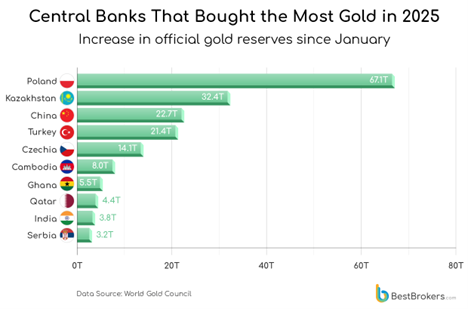
Major central banks are still purchasing gold reserves at a strong clip, viewing it as diversification against currencies and inflation. (ING Think)
These purchases underscore gold’s role beyond speculative investment — more as a strategic reserve asset. - Forecasts Point to Higher Prices
According to a Reuters poll, gold is expected to average around $4,275/oz in 2026, up from roughly $3,400 for 2025. (Reuters)
Other major institutions like HSBC even see potential highs of $5,000/oz under favorable conditions. (Reuters)
These forecasts assume persistent uncertainty and gold’s safe-haven appeal remaining intact. - Macro and Geopolitical Tailwinds
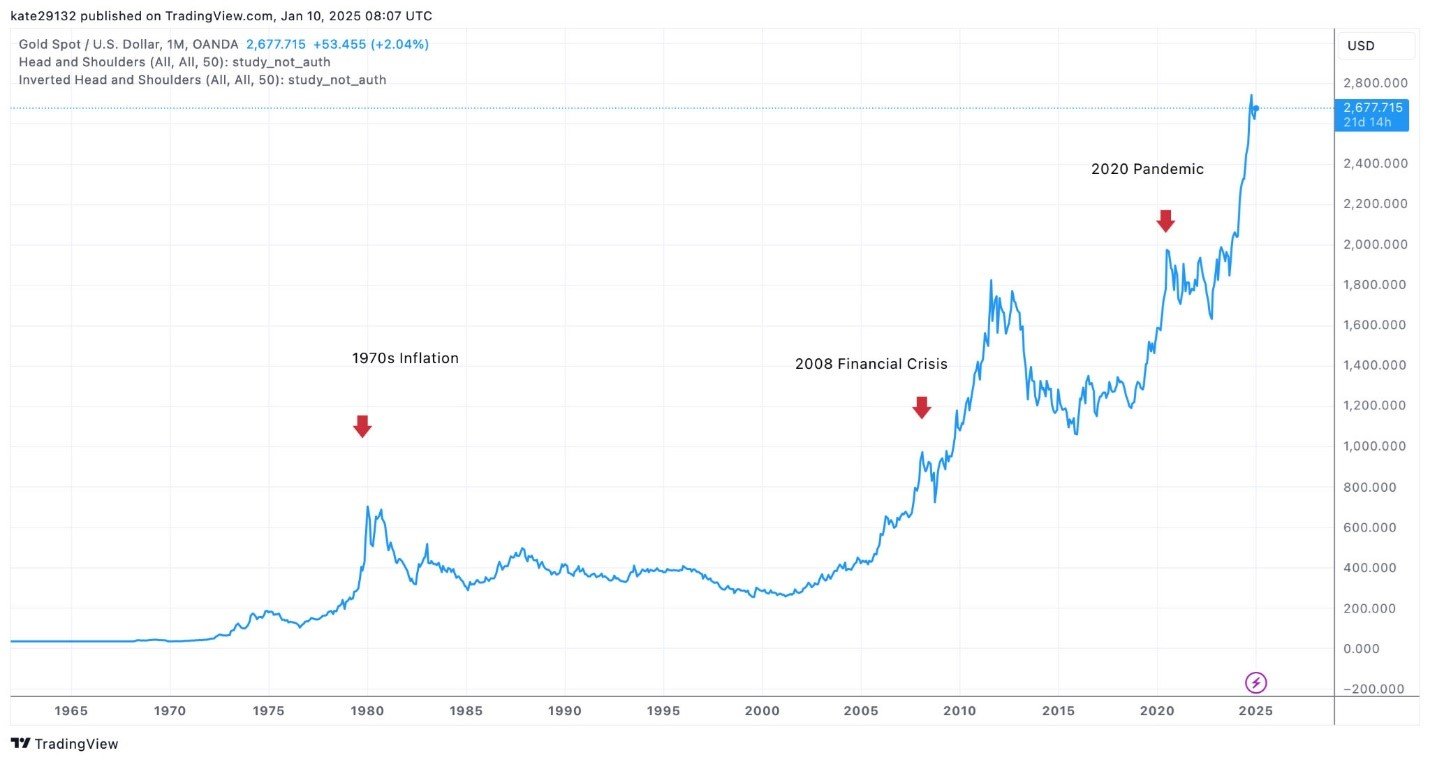
Inflation concerns, large public-debt burdens, weaknesses in fiat currencies (most notably the U.S. dollar) and ongoing geopolitical risks all enhance gold’s attractiveness as a safe asset. (Morgan Stanley)
In times when trust in institutions or currencies wavers, gold often shines. - Interest Rate Environment
Gold benefits when real interest rates fall (or are expected to fall). Because gold does not pay interest, it becomes more appealing when the opportunity cost of holding it decreases. Many analysts expect a cycle of rate cuts (especially in the U.S.) which supports gold. (ING Think)
⚠️ But Some Cautions to Keep in Mind
Even though gold is still a strong contender as a safe haven, it’s not without challenges and caveats:
- If the U.S. dollar remains strong or if interest rates stay elevated, gold’s upside could be constrained. (Morgan Stanley)
- Demand from jewellery and industrial users can be price-sensitive — very high prices may dampen demand in those sectors. (Morgan Stanley)
- Safe-haven status doesn’t guarantee short-term performance. Gold can still undergo sharp corrections or periods of consolidation.
- Gold doesn’t yield dividends or interest — its return is entirely based on price appreciation and perception. Investors must accept this trade-off.
🔍 What Makes Gold a Safe Haven — And When It Might Falter
What helps gold act as a safe haven:
- High liquidity globally, so it can be moved in/out even during stress periods
- Scarcity and store-of-value perception, especially as currency confidence fluctuates
- Demand both from investors and official entities (central banks) which supports base-levels of demand
Conditions under which its safe-haven role might weaken:
- If monetary policy tightens unexpectedly and real yields rise
- If the dollar strengthens significantly (reducing gold’s attractiveness for non-USD holders)
- If investor flows move into other alternatives (digital assets, other metals)
- If major economic growth resumes and risk-on sentiment dominates markets
📊 2026 Outlook: How to Think About Gold as a Safe Haven
- Positioning: Consider gold as part of your portfolio’s defensive layer — not as a speculative high-growth bet.
- Allocation: Many strategists suggest 5–10 % of portfolio value in gold or equivalent exposure if you are looking for a safe-haven anchor.
- Timing: Look for opportunities when risk sentiment rises — geopolitical flashpoints, monetary policy surprises, inflation spikes. These are moments when gold’s safe-haven role tends to stand out.
- Horizon: If you believe that economic or currency stability may be challenged, gold remains a strong tool. If you expect smooth growth and stable policy, gold might under-perform other risk assets.
Of course — here’s the full Für-Trade-style continuation and completion of the article “Is Gold Still a Safe Haven in 2026?” with all the additional deliverables included for publication.
Trading and Investing Strategies for Gold in 2026
If you’re planning to include gold in your portfolio or trade it actively, consider the following approaches based on the evolving 2026 environment.
- Position Trading (Long-Term Investors)
- Objective: Hedge against inflation, currency devaluation, and market uncertainty.
- Strategy:
- Use spot gold (XAU/USD) or gold ETFs to hold positions over months or years.
- Consider dollar-cost averaging — investing gradually to smooth out volatility.
- Pair gold with other safe-haven assets (like silver or CHF) for diversification.
- Swing Trading (Medium-Term Traders)
- Objective: Capture multi-week price swings driven by macroeconomic data or central bank policy shifts.
- Strategy:
- Follow global interest rate trends closely.
- Use technical tools such as Fibonacci retracements and moving averages to identify entry points.
- Focus on high-impact events — U.S. inflation data, Fed decisions, or geopolitical developments.
- Day Trading (Short-Term Traders)
- Objective: Profit from intraday volatility.
- Strategy:
- Trade during liquid sessions (London and New York overlaps).
- Watch for short-term breakouts during major news releases.
- Use tight stop-losses to manage the sharp, sudden reversals gold can produce.
Tip: Combine gold trading with economic calendar tracking. When central banks cut rates or inflation rises, gold tends to move fast — often within minutes.
Alternatives and Correlated Assets to Watch
Although gold remains the classic safe-haven, traders are also watching other assets that can provide similar (or complementary) protection in uncertain markets:
| Asset | Correlation with Gold | Notes for Traders |
| Silver (XAG/USD) | High (≈ 0.75 correlation) | Moves in the same direction but more volatile. |
| Swiss Franc (CHF) | Moderate | Often strengthens in risk-off sentiment; can hedge gold. |
| U.S. Treasuries | Negative correlation with yields | Lower yields generally mean higher gold prices. |
| Bitcoin (BTC/USD) | Divergent correlation | Sometimes trades like a risk asset, sometimes like digital gold. |
While these assets can supplement a defensive portfolio, gold remains the most established and liquid safe-haven option globally.
What Could Redefine Gold’s Role Beyond 2026
Looking ahead, several structural trends could shape gold’s safe-haven status in the years beyond 2026:
- Digital Currency Adoption
As more countries experiment with central bank digital currencies (CBDCs), investors may seek tangible, non-digital stores of value like gold. - Fiscal Pressures
Governments running large deficits could drive renewed demand for hard assets as a hedge against currency depreciation. - Sustainability and Mining Costs
Environmental regulation may limit new gold supply, supporting prices but also increasing production costs. - Geopolitical Polarisation
Continued tension between major powers tends to reinforce demand for gold reserves by both investors and central banks.
How Traders Can Monitor Gold Effectively
- Watch the U.S. Dollar Index (DXY): Gold often moves inversely to the dollar.
- Follow Real Yields: Use U.S. 10-year Treasury yields adjusted for inflation.
- Track Central Bank Activity: Large reserve purchases by China, India, or Russia can drive long-term price trends.
- Use Technical Levels: Monitor resistance near $4,000 – $4,300/oz and key support around $3,600 – $3,700 if forecasts hold.
- Stay Informed: Follow reliable sources like Reuters, Bloomberg, and Investing.com for live updates.
The Bottom Line
So — is gold still a safe haven in 2026?
Absolutely. Its liquidity, historical stability, and enduring global demand continue to make it one of the most trusted hedges against financial and geopolitical risk.
While the environment may shift — with new digital assets and evolving interest rate cycles — gold’s role as a universal store of value remains largely unmatched.
For traders and investors alike, gold remains a cornerstone of financial defense: it may not deliver high yields, but it provides something even more valuable — peace of mind.
Looking to trade or invest in gold safely and strategically? Join the Für-Trade newsletter for weekly insights on gold price forecasts, central bank policy updates, and commodity-market strategies.