
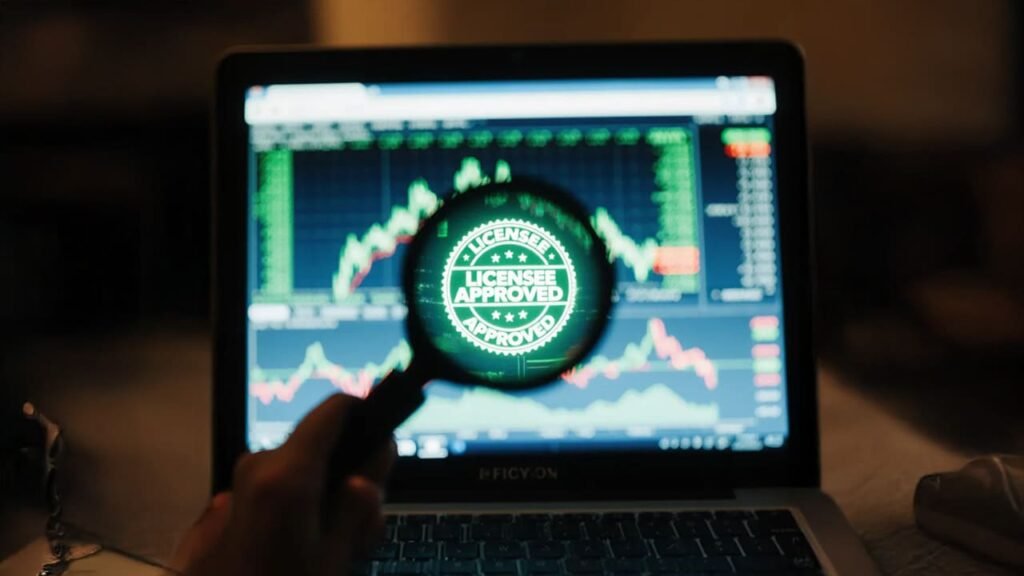
The forex market is the largest and most liquid financial market in the world, with daily trading volumes exceeding $7.5 trillion. However, its decentralized nature means that there isn’t a single global authority governing all transactions. This makes the choice of a brokerage firm one of the most important decisions for any trader.
When selecting a forex broker, it’s vital to choose a regulated brokerage firm — one that is licensed and supervised by a recognized financial authority. Let’s explore why regulation matters and how it protects you as a trader.
What Is a Regulated Brokerage Firm?
A regulated brokerage firm is a financial institution that has received authorization from an official regulatory body to provide trading services.
These firms must adhere to strict rules designed to promote transparency, financial stability, and fair treatment of clients. Regulation ensures that brokers operate with integrity and accountability, under the oversight of financial authorities.
Why Regulation Matters
Trading with a regulated broker is not just about legality — it’s about trust and protection. Here’s why:
- Client Fund Protection
Regulated brokers are required to segregate client funds from their own operating capital.
This means your money is kept in separate, secure accounts, preventing misuse in case of insolvency or internal fraud.
- Capital Adequacy
Regulators ensure that brokerage firms maintain sufficient capital reserves to meet obligations and continue operations, even during market volatility. This reduces the risk of financial collapse.
- Transparent Operations
Regulated brokers must publish accurate financial statements, maintain proper records, and provide timely information to clients. This allows traders to make informed decisions and verify the company’s credibility.
- Fair Trading Practices
Regulatory oversight enforces ethical standards — including clear order execution, fair spreads, and prevention of price manipulation. Complaints and disputes can also be reported directly to the regulating authority.
- Compensation Schemes
Many regulated brokers participate in investor protection funds. These schemes can reimburse clients (up to a set limit) if a broker becomes insolvent or fails to meet financial obligations.
Major Forex Regulatory Bodies
There is no single global regulator for forex because the market operates across time zones and jurisdictions. Instead, supervision is handled by multiple national authorities.
Here are some of the most respected forex regulatory bodies worldwide:
| Country/Region | Regulatory Body | Abbreviation |
| United Kingdom | Financial Conduct Authority | FCA |
| France | Autorité des Marchés Financiers | AMF |
| Germany | Federal Financial Supervisory Authority | BaFin |
| United States | Financial Industry Regulatory Authority | FINRA |
| Canada | Canadian Investment Regulatory Organization | CIRO |
| Australia | Australian Securities and Investments Commission | ASIC |
| Cyprus | Cyprus Securities and Exchange Commission | CySEC |
| Mauritius | Financial Services Commission | FSC |
These organizations are responsible for monitoring licensed brokers, enforcing compliance, and handling client complaints.
How to Verify if a Brokerage Firm Is Regulated
Verifying a broker’s regulatory status is simple and should always be your first step before depositing funds.
- Check the Broker’s Website
Legitimate brokers display their license number and regulatory information at the bottom (footer) of their website.
For example, Fortrade, a global forex and CFD broker, lists its licenses clearly — including regulation by FCA (UK), ASIC (Australia), and FSC (Mauritius).
- Verify with the Regulator
Once you have the license details, visit the official website of the regulatory authority and search for the broker by name or license number.
This double-check ensures the broker’s license is active and genuine.
- Avoid “Clone” or Offshore Entities
Unregulated or offshore brokers often mimic licensed firms by copying their names or websites. Always verify that the website domain and license details match official records.
Advantages of Trading with a Regulated Broker
- Transparency: You can trade with confidence, knowing that your broker is under legal supervision.
- Security: Your funds are protected by segregation and safety protocols.
- Accountability: Any misconduct can be reported and investigated by the regulatory body.
- Reputation: Regulated brokers maintain long-term trust with clients, which benefits traders seeking stable, professional service.
Risks of Using Unregulated Brokers
Trading with an unregulated broker can expose you to serious risks:
- Lack of fund protection — client deposits can be misused.
- No dispute resolution — you may have no legal recourse if issues arise.
- False marketing — fake promises of high returns or “guaranteed profits.”
- Higher fraud risk — offshore entities can disappear without notice.
In short, the low fees or bonuses offered by unregulated brokers rarely justify the risk of losing your investment.
Example: How Fortrade Demonstrates Compliance
Fortrade is an example of a multi-regulated broker operating under several global authorities:
- FCA (United Kingdom) – Licence No. 609970
- ASIC (Australia) – Licence No. 493520
- FSC (Mauritius) – Licence No. C118023454
This multilayered regulation gives clients confidence that their trading environment meets international compliance standards.
The Bottom Line
Choosing a regulated brokerage firm is one of the most important decisions you’ll make as a trader.
It ensures transparency, security, and accountability — all essential in the fast-moving forex market.
In 2025, with an increasing number of online brokers competing for traders’ attention, regulation remains the most reliable safeguard for your investment.
Before you open an account, always verify your broker’s license — and trade with peace of mind knowing your funds are protected.
Start your trading journey securely with confidence. Subscribe to Für-Trade’s newsletter for weekly insights on regulated brokers, trading safety, and professional investment tips.