
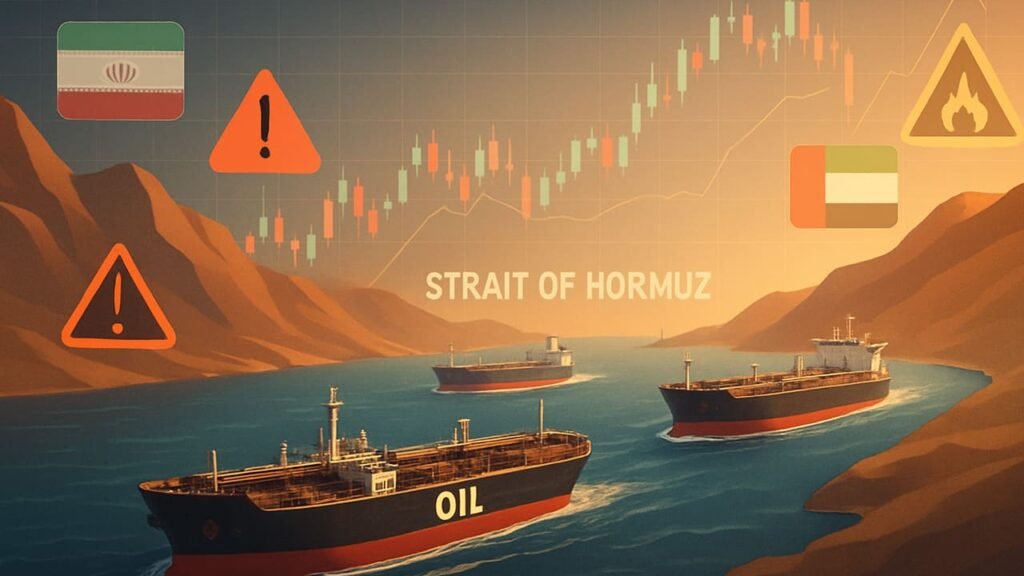
Oil and natural gas are among the most politically sensitive commodities in the world. Their prices react sharply to geopolitical developments — far more than most other markets.
Whether it’s a conflict near a major pipeline, sanctions on an oil-producing nation, or tensions in strategic shipping routes, geopolitical risk can send prices soaring or collapsing within hours.
Understanding these dynamics gives traders a crucial edge, especially in energy markets known for sudden volatility.
Here’s a clear breakdown of how geopolitical tensions influence oil and gas prices and what every trader should watch.
- Why Oil and Gas Are So Sensitive to Geopolitics
Oil and gas markets depend heavily on global supply chains, major infrastructure, and government-controlled production.
Unlike many commodities, they cannot be easily replaced, and disruptions often have immediate global effects.
Key reasons:
- Concentration of production (few countries supply most of the world)
- Central role in transportation and industry
- Dependence on pipelines, ports, and shipping lanes
- Heavy involvement of governments and state-owned oil companies
Because of this, geopolitical events often translate directly into supply risks — which the market prices in instantly.
- How Geopolitical Events Influence Oil and Gas Prices
- Supply Disruptions
When conflict or instability threatens oil production, traders immediately anticipate shortages.
Examples:
- War or political unrest in key producers (e.g., Middle East, West Africa)
- Strikes at oil fields or refineries
- Sabotage of pipelines or export terminals
Even a potential disruption can push prices higher due to fear of reduced supply.
- Sanctions and Trade Restrictions
Economic sanctions can limit a country’s ability to export oil or gas.
Effects:
- Reduced global supply = higher prices
- Market uncertainty = increased volatility
- Importing countries may scramble to replace lost supply
Sanctions on major producers — such as Iran or Russia — usually have the most significant global impact.
- Tensions in Critical Shipping Routes
Oil and gas depend on a few key chokepoints for global transportation. When these routes are threatened, the market reacts instantly.
Major chokepoints:
- Strait of Hormuz (around 20% of global oil passes here)
- Suez Canal and SUMED pipeline
- Strait of Malacca
- Turkish Straits
A blockage or military threat in any of these areas can drive prices sharply higher.
- OPEC+ Decisions and Alliances
OPEC and its partners (OPEC+) are central players in the energy market.
Their coordinated production decisions are often influenced by political relationships and national interests.
When OPEC+ cuts production:
→ Prices typically rise due to reduced supply.
When they increase production:
→ Prices may fall as more oil enters the market.
Geopolitical disagreements within OPEC+ can also lead to sudden policy shifts and price swings.
- Currency Movements During Global Tensions
Because oil is priced in U.S. dollars, geopolitical stress often strengthens the USD as investors seek safe-haven assets.
A stronger dollar means:
- Oil becomes more expensive in other currencies
- Global demand can weaken
- Prices may stabilize or fall despite rising tensions
Thus, geopolitical events affect prices both directly (supply risk) and indirectly (currency effects).
- Long-Term Geopolitical Instability
Extended periods of conflict or political uncertainty can reshape the supply chain.
Examples:
- Long-running sanctions
- Major producer switching alliances
- Increased military presence in key regions
These events create structural shifts in supply expectations, influencing multi-year price trends.
- How Gas Prices React Compared to Oil
Natural gas markets react differently because they rely more on pipelines and regional trade, especially in Europe and Asia.
Factors affecting gas specifically:
- Pipeline shutdowns (e.g., due to conflict or sabotage)
- Reduced LNG shipments
- Competition for winter storage
- Regional political tensions
In regions heavily dependent on a single supplier, geopolitical events can cause extreme price spikes.
- What Geopolitical Events Traders Should Watch
To anticipate major moves in oil and gas, follow:
🔥 High-impact events:
- Conflicts in Middle East, North Africa, Eastern Europe
- Sanctions announcements
- OPEC+ meetings
- Attacks on pipelines or tankers
- Major elections in producing nations
- Naval tensions in key shipping lanes
📅 Regular updates:
- U.S. Energy Information Administration (EIA) reports
- OPEC monthly reports
- IEA forecasts
- Economic calendars for geopolitical announcements
- How Traders Can Use This Information
✔ Use risk management
Energy markets can move violently on headlines. Always use stop-loss orders.
✔ Avoid overleveraging
Geopolitical volatility can cause gaps; high leverage increases risk.
✔ Combine fundamentals with technicals
Use geopolitics to set direction, and charts to time entries/exits.
✔ Watch correlated markets
Gold, USD, and stock indices often react alongside oil and gas.
The Bottom Line
Geopolitical tensions remain one of the strongest forces shaping oil and gas prices.
From conflict zones to shipping chokepoints to sanctions, the energy market reacts instantly to any event that threatens supply — even if the disruption is only a possibility.
For traders, understanding these dynamics is essential. By monitoring geopolitical developments and combining them with technical insights and risk management, you can navigate the energy market with greater confidence and precision.
Stay ahead of global events affecting oil, gas, and commodities.
Join the Für-Trade newsletter for weekly insights into markets, geopolitics, and trading opportunities.