
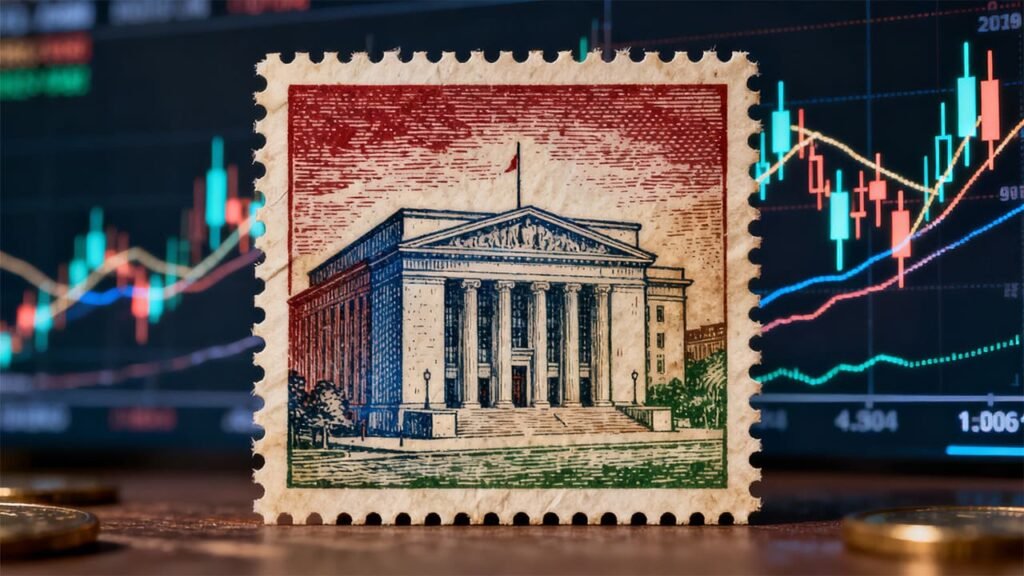
Central banks hold immense influence over the currency markets. Through policy decisions, interest rate changes, and even forward guidance, these institutions directly shape the economic environment that traders navigate daily.
In this article, we’ll explore the role of central banks in the forex market, how their policies impact currency movements, and how traders can use this information to their advantage.
- What Are Central Banks and Their Role in the Economy?
Central banks are the institutions responsible for managing a country’s money supply, interest rates, and overall financial stability. Some of the world’s most influential central banks include:
- U.S. Federal Reserve (Fed)
- European Central Bank (ECB)
- Bank of England (BoE)
- Bank of Japan (BoJ)
- Reserve Bank of Australia (RBA)
These banks have a mandate to ensure economic stability, often focusing on controlling inflation and promoting growth. They do this by adjusting interest rates, implementing quantitative easing (QE) programs, and managing their currency reserves.
- How Central Bank Policies Influence Currency Markets
- Interest Rates
Interest rates are the most direct tool used by central banks. They have a profound impact on the value of a country’s currency.
- Raising Interest Rates:
When a central bank raises interest rates, it typically causes the country’s currency to appreciate. Higher rates attract foreign capital seeking better returns, increasing demand for the currency.- Example: When the Fed raises interest rates, the U.S. dollar (USD) strengthens as investors move money into higher-yielding U.S. assets.
- Lowering Interest Rates:
Lower interest rates reduce the returns on investments, making the currency less attractive. This often leads to depreciation.- Example: When the BoJ lowers rates, the Japanese yen (JPY) weakens, reflecting the lower yield on Japanese assets.
Traders’ Insight:
By monitoring central bank rate decisions and forward guidance, traders can anticipate currency moves and identify high-probability setups based on interest rate expectations.
- Quantitative Easing (QE) and Monetary Stimulus
Quantitative easing is an unconventional policy used by central banks when interest rates are already near zero. It involves the central bank purchasing long-term government bonds or other assets to inject money into the economy.
- Effect on Currency:
QE increases the money supply, which can lead to currency depreciation, as there is more money in circulation.- Example: The ECB’s QE programs have often led to the euro (EUR) weakening as more euros are printed and injected into the system.
Traders’ Insight:
If a central bank announces or extends QE, it can signal a weakening currency in the medium term. This creates opportunities for traders to go short on the affected currency.
- Forward Guidance and Market Expectations
Forward guidance refers to the signals central banks provide about the future direction of monetary policy. These forecasts often include comments on inflation targets, economic growth, and future interest rate decisions.
- Effect on Currency:
When central banks indicate future rate hikes or cuts, it can have a profound effect on currency markets even before the changes are implemented. Traders buy or sell based on expectations, leading to price movement in advance of policy action.
Example:
If the Federal Reserve signals that it plans to increase interest rates in the near future, traders may start buying the U.S. dollar (USD) in anticipation of the hike, causing the dollar to rise.
Traders’ Insight:
Traders should follow central bank press conferences, minutes, and speeches closely. Market expectations often move currencies more than actual policy decisions.
- Central Bank Policy Decisions and Currency Pairs
Certain currency pairs are more sensitive to central bank policy than others. The most commonly traded pairs, known as major pairs, involve currencies from countries with strong central banks.
- EUR/USD (Euro / U.S. Dollar)
The EUR/USD pair is the most traded in the world and is highly affected by the policies of both the Fed and the ECB.
- Fed Actions: If the Fed raises interest rates or signals tightening, the USD typically strengthens against the euro.
- ECB Actions: Conversely, if the ECB cuts rates or continues with QE, the EUR tends to weaken.
- USD/JPY (U.S. Dollar / Japanese Yen)
The USD/JPY pair reflects the policy actions of the Federal Reserve and Bank of Japan (BoJ).
- Fed Rate Hikes: A rate increase from the Fed will likely strengthen the USD, pushing the USD/JPY pair higher.
- BoJ Policy: The BoJ is known for its ultra-loose monetary policy, which generally weakens the yen, especially when interest rates remain low.
- GBP/USD (British Pound / U.S. Dollar)
The GBP/USD pair is sensitive to the Bank of England (BoE) and Fed policy moves.
- BoE Actions: Rate hikes by the BoE tend to strengthen the pound, while dovish signals lead to weakness.
- Fed Policy: U.S. rate decisions heavily influence the USD, impacting the GBP/USD pair.
- Commodity Currencies (AUD, NZD, CAD)
Commodities like oil and gold are tied closely to currencies of nations that produce and export these goods. These commodity-linked currencies are heavily influenced by central bank decisions and commodity prices.
- AUD/USD: Australian Dollar (AUD) is often influenced by the Reserve Bank of Australia (RBA) and global demand for commodities like iron ore and coal.
- USD/CAD: The Canadian Dollar (CAD) is linked to oil prices, with central bank policies amplifying price movements.
- NZD/USD: The New Zealand Dollar (NZD) is affected by RBNZ policy and agricultural exports.
Traders’ Insight:
Commodity currencies tend to react to both central bank policies and commodity price movements. Watch oil prices and global demand trends when trading these pairs.
- How Traders Can Use Central Bank Policies in Their Trading
Understanding how central banks affect currency markets is essential for developing a successful trading strategy. Here are some tips for incorporating central bank policies into your trades:
- Track Central Bank Meetings
Central bank meetings and interest rate decisions are key events that can move the market significantly. Economic calendars highlight upcoming meetings, so make sure to check them regularly.
- Watch for Signals in Speeches
Statements from central bank officials and their forward guidance provide insight into future policy moves. Look for cues in speeches, such as mentions of inflation targets, economic growth, or the likelihood of rate hikes.
- Focus on Interest Rate Differentials
Interest rate differentials between currencies drive much of the forex market. By comparing the policies of two central banks, you can predict which currency is likely to appreciate or depreciate.
- Trade the News
Traders often enter positions ahead of major central bank announcements based on expectations of future moves. Stay informed by following news releases and central bank guidance.
- Use Technical Analysis with Fundamentals
Combine technical analysis (charts, indicators) with fundamental analysis (central bank policies, economic data) to find high-probability setups.
- The Bottom Line
Central bank policies are one of the most important factors influencing currency markets. Whether it’s interest rate changes, quantitative easing, or forward guidance, central banks can dramatically impact currency valuations.
As a trader, understanding the dynamics of central bank decisions allows you to anticipate market moves, manage risk, and capitalize on global economic trends. Always stay ahead by monitoring central bank policies, using economic calendars, and aligning your trading strategies with fundamental insights.
Stay informed about the latest central bank decisions and their impact on forex markets. Join the Für-Trade newsletter for weekly updates, expert analysis, and trading strategies based on central bank actions.