
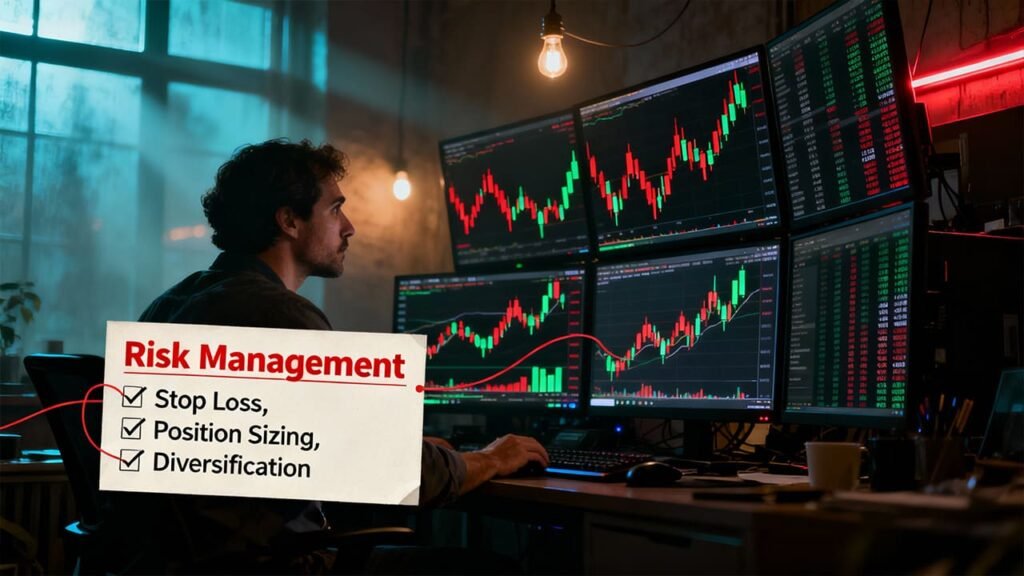
Volatility is one of the defining features of financial markets, and it can be both a challenge and an opportunity for traders. Whether you’re trading forex, stocks, or commodities, the ability to navigate volatile conditions effectively can make or break your trading success.
This guide will explore the best strategies for trading during periods of high volatility and help you manage the risks associated with erratic price movements.
- What Is Market Volatility?
Market volatility refers to the extent and speed at which the price of an asset fluctuates over time. High volatility means large price swings in short periods, while low volatility signifies more stable, gradual price movements.
Volatility often occurs during:
- Economic news releases (such as employment reports, GDP data, etc.)
- Central bank announcements (interest rate changes, monetary policy updates)
- Geopolitical events (wars, elections, trade disputes)
These events can trigger massive market swings, making volatility both an opportunity and a risk for traders.
- Why Volatility Matters for Traders
Volatile markets provide opportunities for high-profit trades, but they also bring higher risk. The key to trading successfully in volatile markets is using the right strategies to minimize risk while maximizing potential returns.
Opportunities:
- Quick profits: Volatility can lead to rapid price movements, allowing traders to capitalize on short-term opportunities.
- Diverse trading setups: Volatile markets create both breakouts (price moves out of a range) and reversals (price moves against the current trend), providing multiple trading options.
Risks:
- Increased uncertainty: Fast, unpredictable price changes can lead to large losses if positions aren’t managed carefully.
- Wider spreads: During volatile conditions, brokers may widen spreads, making it more expensive to enter and exit trades.
- Key Strategies for Trading in Volatile Markets
- Use a Trading Plan and Stick to It
When markets are volatile, it’s easy to let emotions drive your trading decisions. The most successful traders have a clear plan in place that defines:
- Entry and exit points
- Position size
- Risk management rules (stop-loss, take-profit)
Your plan should account for volatility. For example, you may need to set wider stop-loss levels or scale down position sizes to accommodate for erratic price swings.
- Use Stop-Loss and Take-Profit Orders
In volatile markets, having strict stop-loss and take-profit orders is essential to protect your capital. These orders automatically close your trade at a predefined level, preventing large losses if the market moves against you.
- Stop-loss orders should be placed at a level where, if hit, you are comfortable accepting the loss.
- Take-profit orders should be set at a level where you are happy to lock in profits before the market reverses.
Pro Tip: During volatile conditions, the spread between the bid and ask price can widen, making stop-loss orders more susceptible to being triggered prematurely. Make sure to account for this when placing your orders.
- Trade with the Trend
While volatility may cause sharp price movements in both directions, trend-following strategies are often the most effective way to trade during volatile conditions.
Traders often use moving averages or trendlines to identify the direction of the market. Once a trend is established, trading with that trend increases the probability of success.
- In uptrends, look for buying opportunities when price pulls back.
- In downtrends, look for selling opportunities when price rallies.
By trading with the trend, you align your strategy with the broader market movement, increasing the likelihood of profitable trades.
- Adjust Your Position Size
Volatility increases the risk of losing trades, so it’s essential to adjust your position size accordingly. Using smaller position sizes during volatile periods helps manage risk by limiting the impact of any single trade.
For example:
- Normal market conditions: You might risk 2% of your capital on each trade.
- High volatility: You may reduce your risk to 1% or even 0.5% per trade to ensure your account can withstand larger market fluctuations.
- Consider Using Options for Hedging
For traders looking to hedge their positions during volatile periods, options can be a useful tool. By purchasing options contracts, you can limit your risk while maintaining exposure to the underlying asset.
- Call options allow you to profit from upward price movements without owning the asset.
- Put options allow you to profit from downward price movements.
Hedging with options provides flexibility, especially during times of heightened volatility, when price moves are harder to predict.
- Avoid Overtrading
Volatile markets can tempt traders to make quick trades, thinking they can capitalize on every price move. However, overtrading increases risk, especially when emotions are involved.
Stick to your trading plan and avoid entering positions based on short-term market noise. Take your time to analyze price action and wait for high-probability setups that align with your strategy.
- Tools for Trading in Volatile Markets
Several tools can help you stay ahead during volatile conditions:
- Volatility Indicators:
- Average True Range (ATR): Measures market volatility by comparing the current range to previous price movements.
- Bollinger Bands: Plot volatility levels and can signal potential breakouts when the bands expand or contract.
- Economic Calendars:
Monitor upcoming economic news releases that may drive market volatility. Knowing when key reports (like NFP or CPI) are coming can help you plan trades and avoid surprises. - Trading Bots/Algorithms:
For traders who are active but don’t want to manually monitor the market, trading bots and algorithms can automate entries and exits based on predefined rules, helping you react faster to volatile price swings.
- The Bottom Line
Volatile markets can present both challenges and opportunities. By sticking to a disciplined trading plan, using proper risk management, and adjusting your strategy to current conditions, you can trade more effectively in these uncertain times.
Remember:
- Don’t let fear or greed drive your decisions.
- Adapt your strategies based on market conditions and be patient.
- Always use stop-loss orders and position size management to protect your capital.
With the right mindset and tools, trading in volatile markets can be an exciting and profitable experience.
Ready to tackle volatile markets with confidence? Join the Für-Trade newsletter for weekly insights, strategies, and market updates to help you navigate unpredictable conditions.