
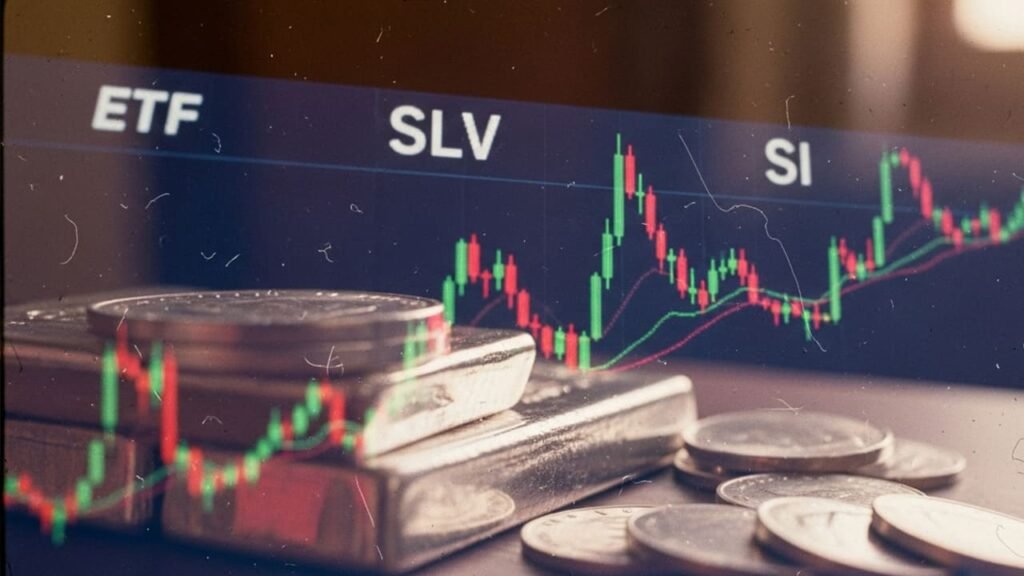
Silver has long been a valuable asset, sought after for both its industrial uses and its role as a store of value. In the world of trading, silver offers many opportunities for investors to profit from price movements. Whether you’re a seasoned trader or a beginner, understanding how silver is traded and what its symbol is across different platforms can help you navigate the market more effectively.
What Is Silver?
Silver is a precious metal with diverse applications. Known for its excellent conductivity and antimicrobial properties, silver is used in industries ranging from electronics to medicine. It also holds significant cultural and financial value, making it an attractive option for investment and trade.
What Is Silver Trading?
Silver trading refers to buying and selling silver as a financial asset to profit from fluctuations in its price. Unlike owning physical silver, trading silver often involves using contracts or instruments linked to silver’s price, such as futures, ETFs, or CFDs. This allows both retail and institutional investors to participate in the silver market without needing to hold the physical metal.
5 Ways to Trade Silver
There are several methods available for trading silver, each offering different levels of exposure and risk. Let’s explore five of the most common ways:
- Physical Silver
Purchasing coins, bars, or bullion is the most straightforward way to own silver. This method offers tangible ownership and avoids counterparty risk.
-
- Pros: Direct ownership, no counterparty risk.
- Cons: Requires storage and has lower liquidity compared to financial instruments.
- Silver Stocks
You can gain indirect exposure to silver by investing in companies involved in silver mining or refining. These stocks can offer additional growth potential beyond silver’s price movements.
-
- Pros: Potential for dividends and additional growth.
- Cons: Exposure to company-specific risks.
- Silver ETFs (Exchange-Traded Funds)
ETFs like iShares Silver Trust (SLV) or Sprott Physical Silver Trust (PSLV) track the price of silver or invest in silver mining companies.
-
- Pros: Easy trading on exchanges, diversified exposure.
- Cons: Management fees and lack of direct ownership.
- Silver Futures
Silver futures contracts allow you to buy or sell silver at a specified price at a future date, using leverage.
-
- Pros: High leverage and the potential for significant profits.
- Cons: High risk due to leverage and contract expiry.
- Silver CFDs (Contracts for Difference)
CFDs enable you to speculate on silver’s price movements without owning the physical asset.
-
- Pros: Leverage, flexibility, ability to short-sell.
- Cons: High risk and subject to broker fees.
Trading Symbol for Silver
The trading symbol for silver can vary depending on the market or instrument being used. Here are the most common symbols you’ll encounter when trading silver:
- Silver Futures: The ticker symbol for silver futures is SI. This symbol is used to trade silver on commodities exchanges like the CME (Chicago Mercantile Exchange).
- Silver ETFs:
- iShares Silver Trust: SLV
- Sprott Physical Silver Trust: PSLV
- Silver Mining Stocks: These vary by company. For example:
- First Majestic Silver: AG (NYSE)
- Pan American Silver: PAAS (NASDAQ)
Each ticker symbol corresponds to a specific silver-related asset, whether it’s a futures contract, an ETF, or a silver mining stock. Always ensure you verify the correct symbol when placing trades.
Why Trade Silver?
There are several reasons why silver trading is an attractive option for investors:
- Diversification
Silver is often used as a hedge against inflation and currency devaluation, offering stability during periods of economic uncertainty. - Market Volatility
Silver prices tend to fluctuate significantly, which creates opportunities for traders to profit from price movements. - Industrial Demand
With growing industries like renewable energy and electronics, silver remains in high demand, supporting its long-term price potential. - Accessible Entry
Compared to gold, silver is more affordable, making it an attractive option for retail traders with limited capital.
Factors Affecting Silver Prices
- Supply and Demand
The price of silver is influenced by mining supply, recycling, and industrial demand. Technological advancements, especially in solar energy and electronics, can increase silver demand. - Inflation and Currency Strength
Like gold, silver serves as a hedge against inflation. When the U.S. dollar weakens, silver becomes cheaper for international buyers, often driving up its price. - Industrial Trends
Technological advances, particularly in sectors like solar panels, 5G, and electronics, are significant drivers of silver consumption. - Interest Rates
Higher interest rates can make silver less attractive as it doesn’t yield income, placing downward pressure on its price. - Geopolitical Events
Political instability or economic crises often drive investors to silver as a safe-haven asset, causing prices to rise.
FAQs About Silver Trading
- Is Silver Trading Risky?
Yes, silver trading carries risks, especially due to its price volatility. Leveraged instruments like futures and CFDs can amplify both gains and losses, making risk management essential. - Should I Trade Silver or Buy Physical Silver?
This depends on your investment goals. For long-term value storage, physical silver is a good option. For short-term gains or trading flexibility, instruments like CFDs or futures may be more suitable. - How Do I Start Trading Silver?
Begin by opening an account with a broker offering silver trading. You can start with CFDs, ETFs, or even silver futures. It’s a good idea to start with a demo account before trading real money. - How Much Should I Invest in Silver?
Your investment in silver should align with your financial goals and risk tolerance. If you’re new to trading, it’s wise to start small and diversify your portfolio to manage risk effectively.
Interested in trading silver? Stay informed with the latest market trends and strategies by subscribing to our newsletter for regular updates and insights!